


Strong enough to care. Tough enough to talk.


The Georgia Department of Behavioral Health and Developmental Disabilities (DBHDD) created the 988 Construction Industry Advisory Committee to address the state’s mental health crisis in construction.
Bringing together trade associations, industry leaders, and mental health experts, the Committee works to reduce stigma, raise awareness, and ensure workers know that the 988 Suicide & Crisis Lifeline is available 24/7 - free and confidential.
WATCH THE VIDEO:
The Hidden Crisis in Construction
Construction is one of Georgia’s strongest industries—and one of its most vulnerable workforces when it comes to mental health and suicide risk. Behind the hard hats and jobsite grit are workers grappling with pressures that take a heavy toll: physical injuries, job insecurity, substance misuse, and untreated mental health struggles.
Numbers Tell The Story: Suicide Rates in Construction
The highest of any occupation in Georgia.
From 2017–2021, construction and extraction workers died by suicide at a rate 165% higher than the state average.
743 workers lost in just four years (58.6 per 100,000 vs. 22.1 per 100,000 statewide)
Overdose Deaths
Construction workers face the greatest overdose risk of any industry in the U.S.
In 2020, construction workers had 162.6 overdose deaths per 100,000 workers.
That’s nearly 3x higher than the average U.S. workforce (42.1 per 100,000)
Why This Matters
The construction industry is built on strength, skill, and teamwork—but the culture has too often discouraged workers from speaking up about mental health. Silence has become deadly. By acknowledging the crisis and connecting workers to resources like the 988 Suicide & Crisis Lifeline for free, confidential, 24/7 support, the industry can turn the tide, reduce stigma, and save lives.
The message is reaching the workers who need it most.
Georgia construction workers now know about 988 more than the general public does — 67.2% awareness versus 48.7% in the general population, an 18.5-point lift in the occupation at highest suicide risk in Georgia
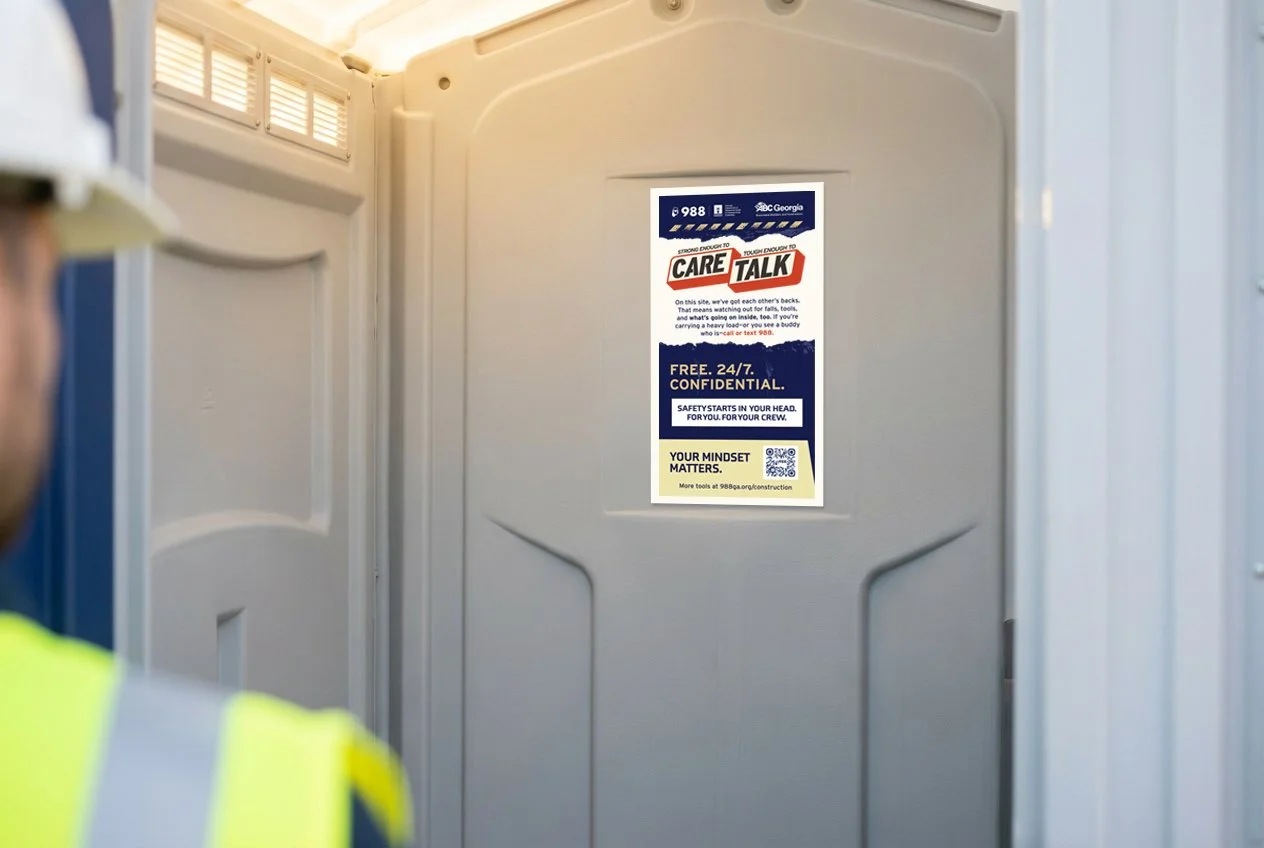
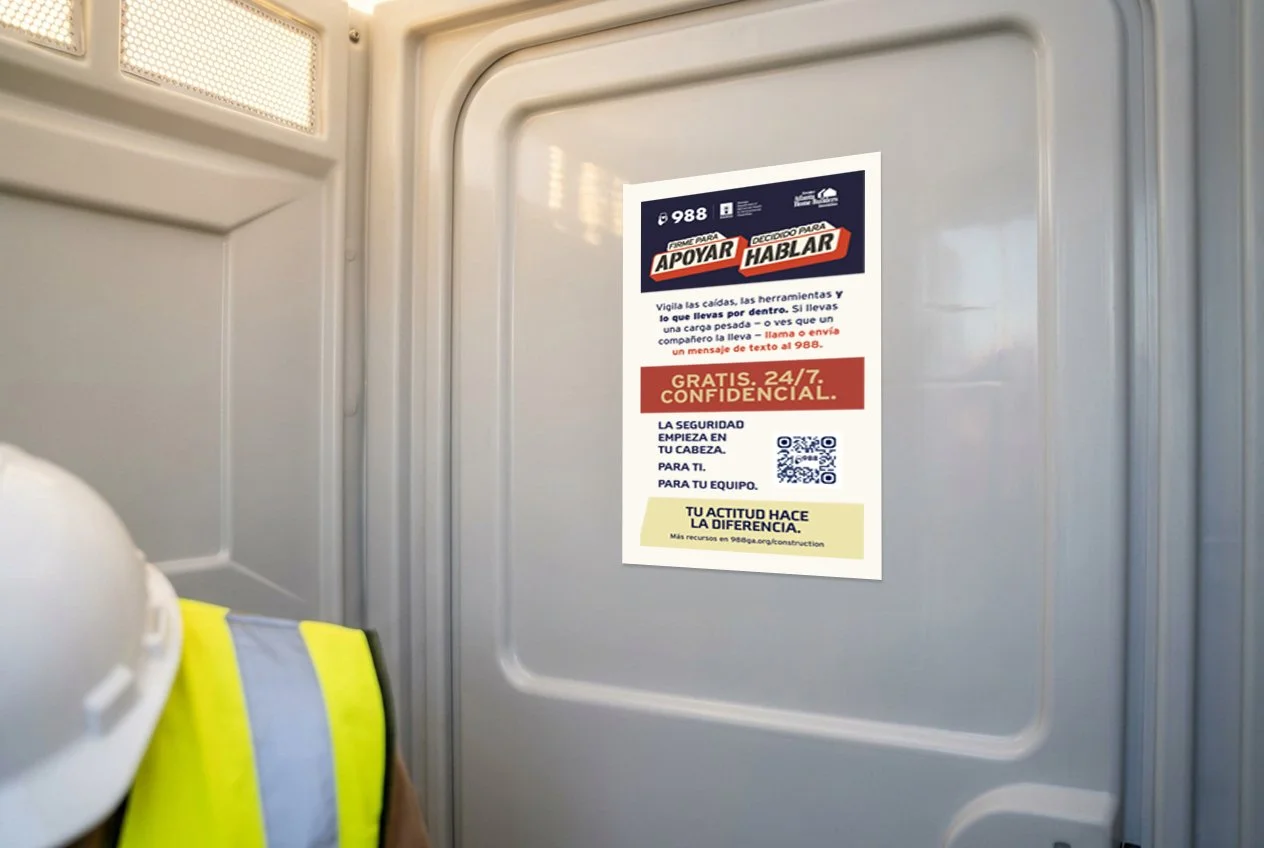
61.8% have seen 988 jobsite signage — gate signs, hard hat stickers, porta-potty interior decals, and bilingual leave-behinds — compared with 32.7% of non-construction respondents.
17.7% recall a 988 message in a toolbox talk or safety meeting, nearly four times the 4.6% rate among non-construction respondents. Mental health is being delivered the same way fall protection is — repeatedly, professionally, and without singling anyone out.
Workers are ready to act. 71.8% would feel comfortable encouraging a coworker to call 988, and 69.5% would feel comfortable using 988 themselves.
41.6% know the 988ga.org/construction microsite — more than double the 20.4% recall in the broader public.
Bilingual porta-potty interior decals — placed where a worker is alone, unhurried, and can read and scan privately.
INDUSTRY EVENTS
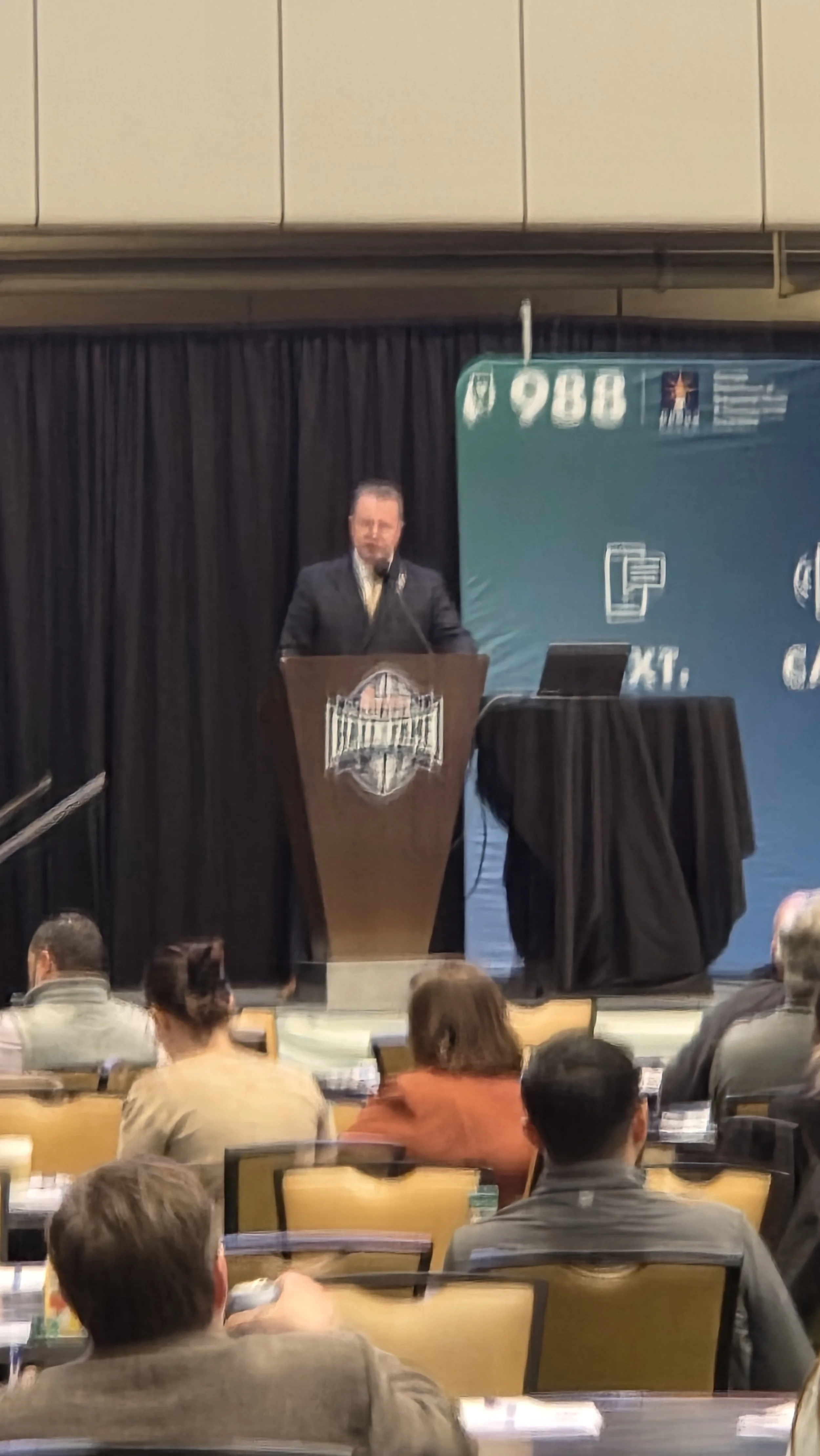
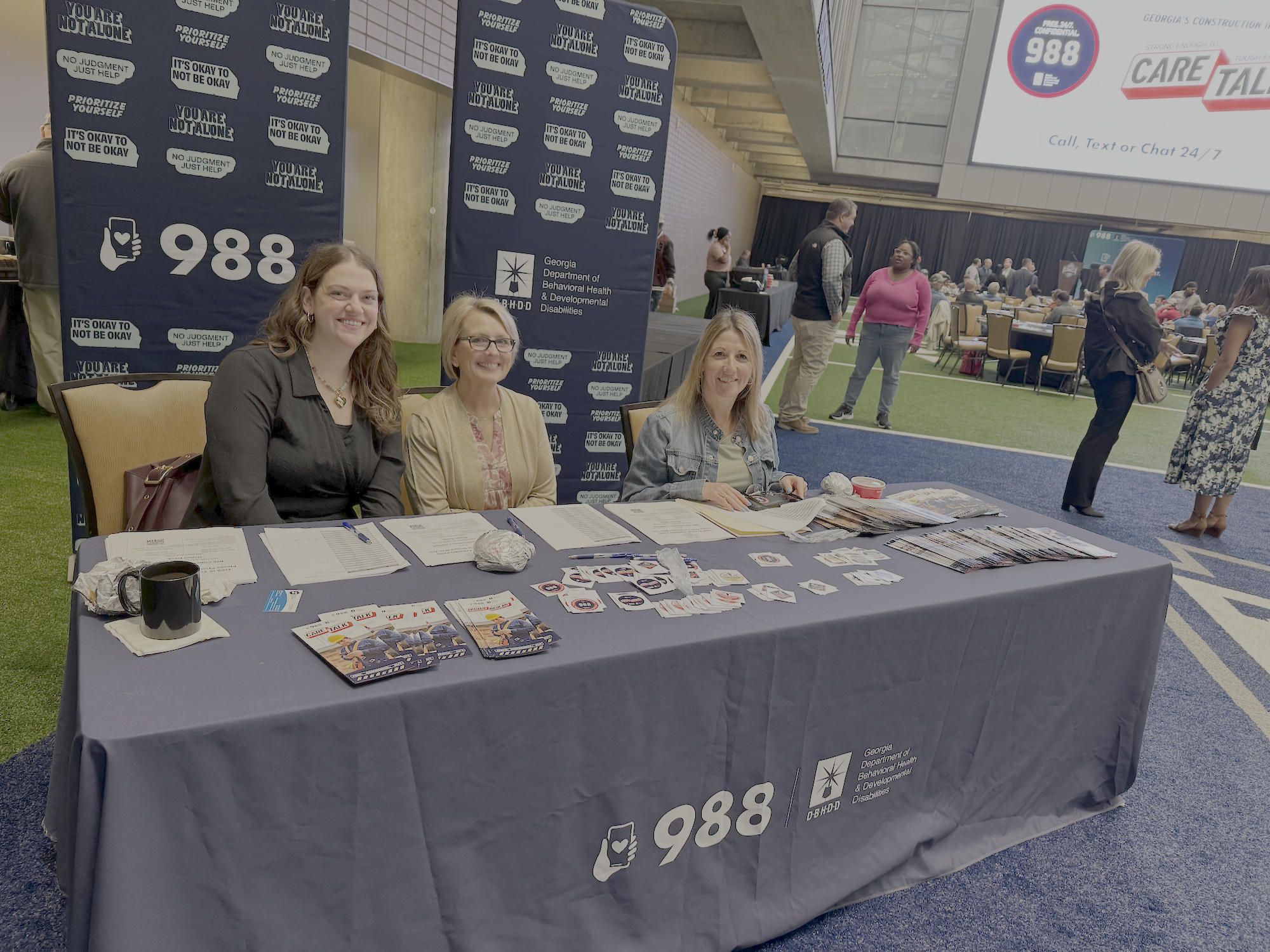
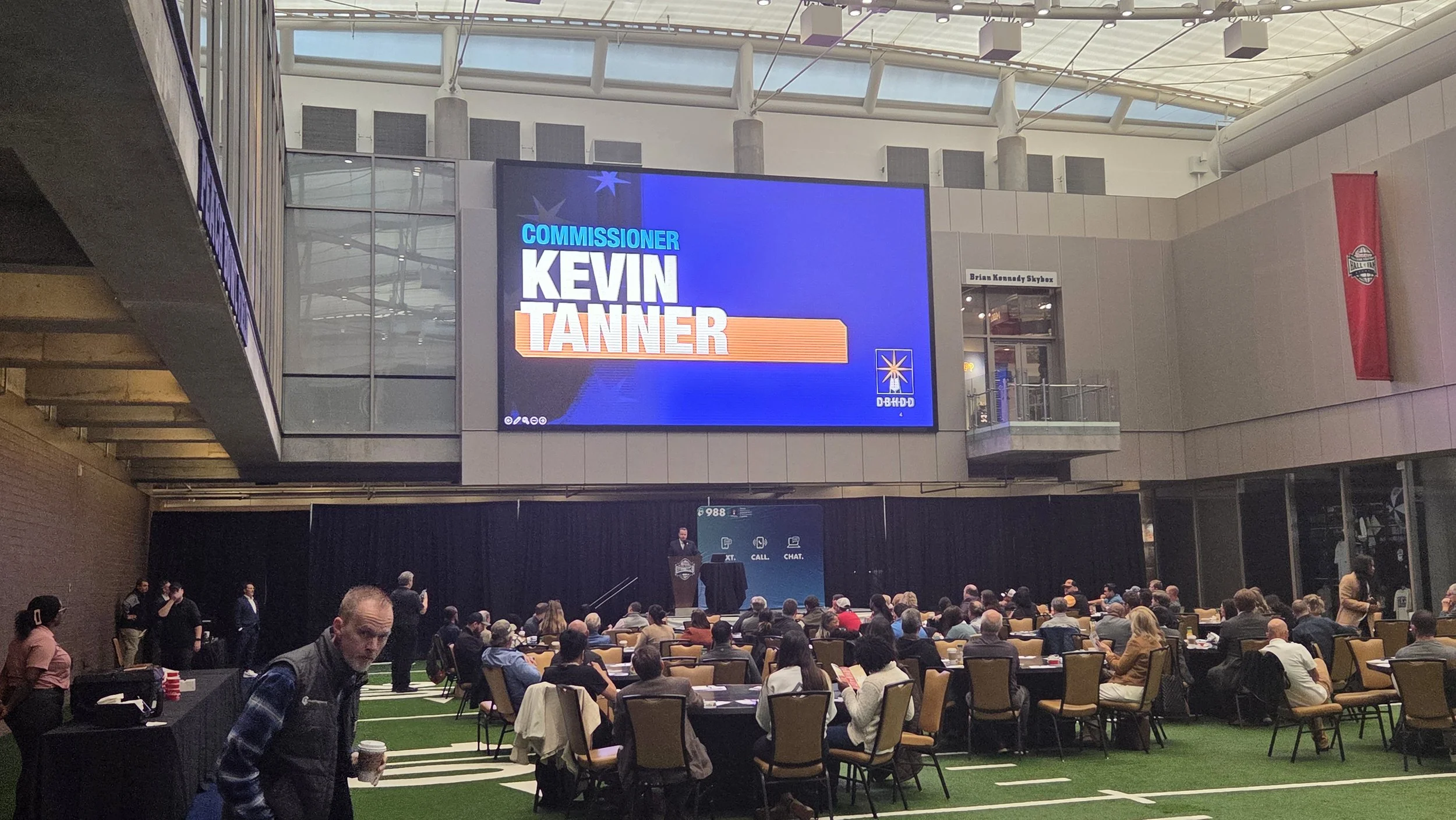
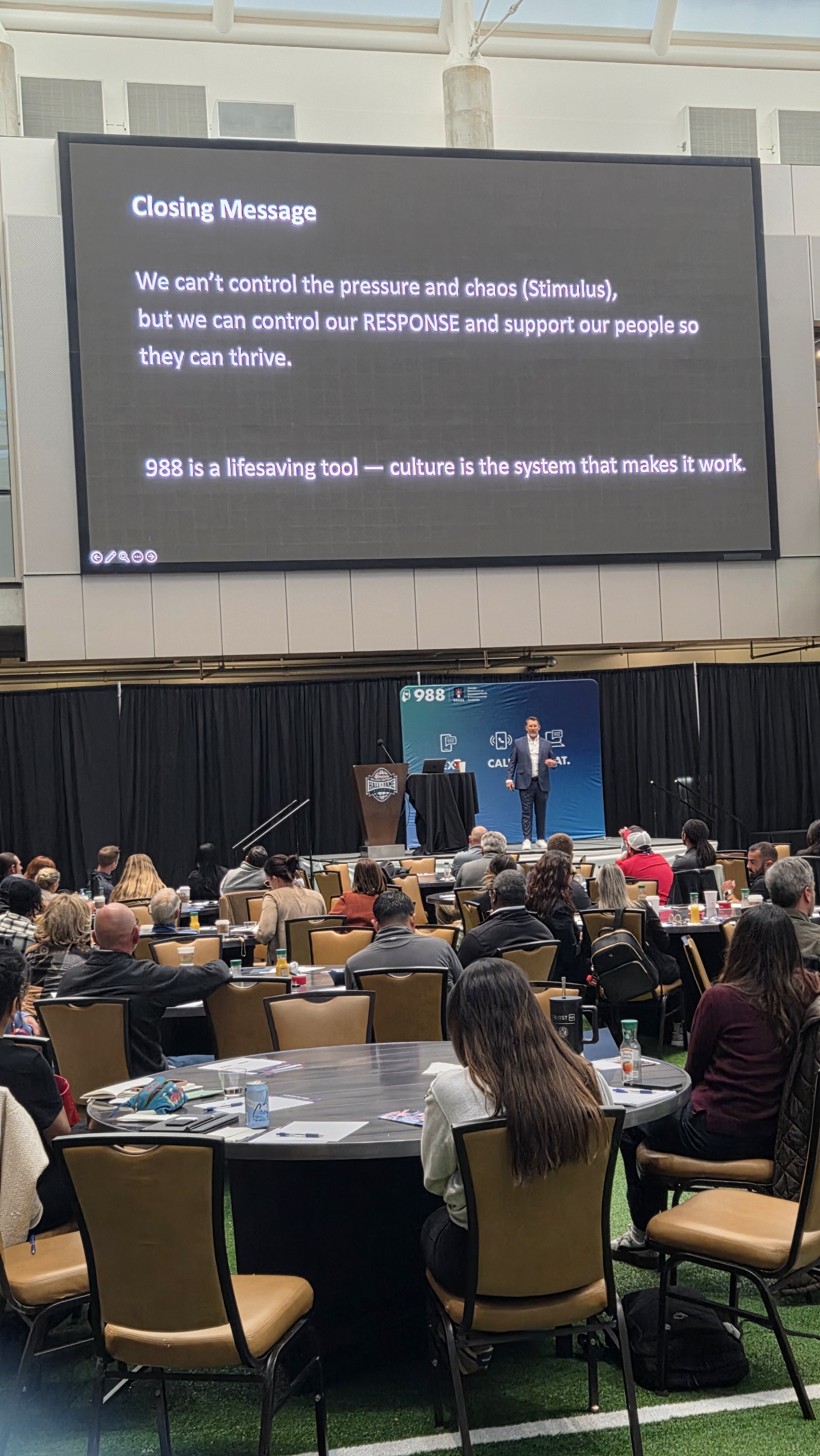
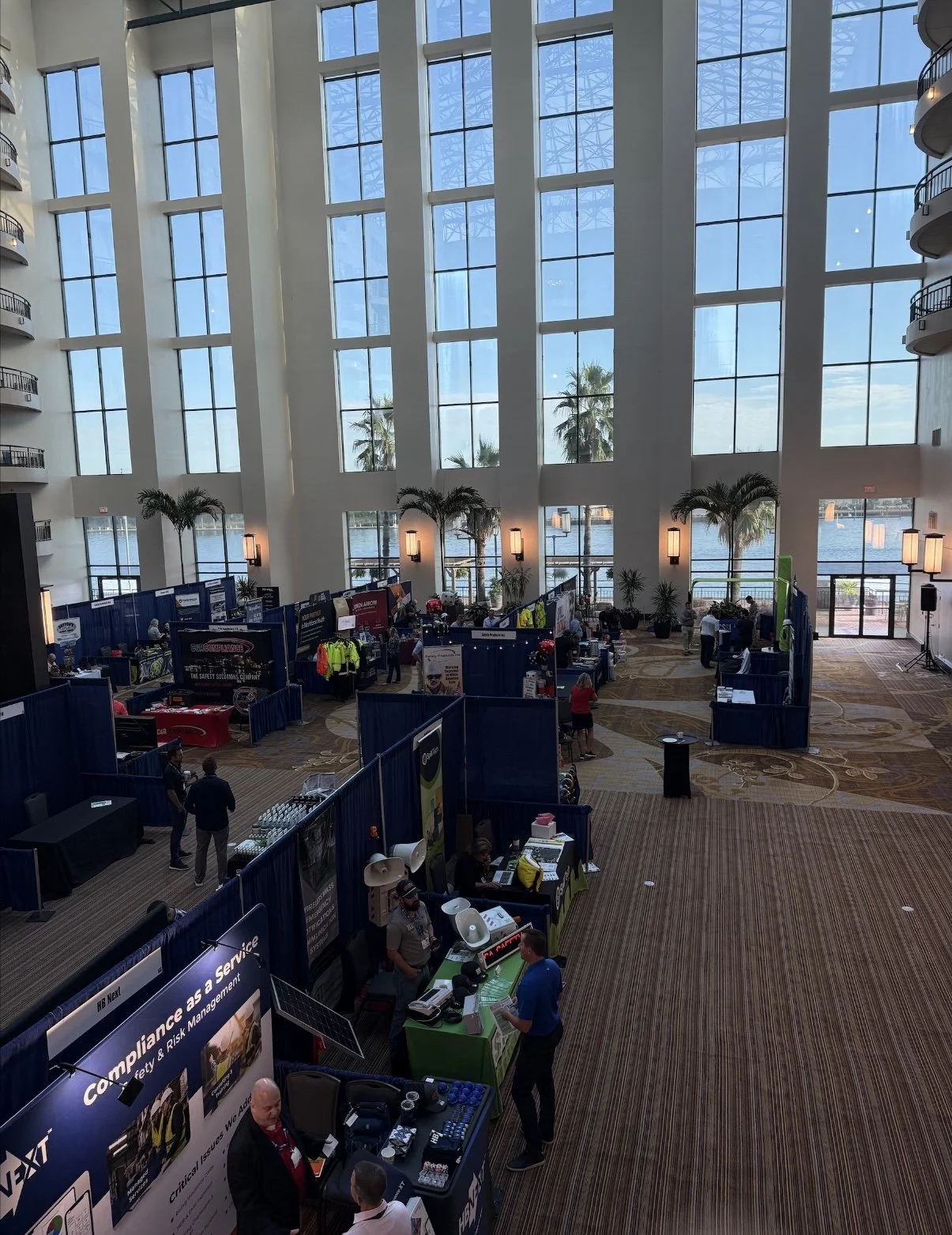
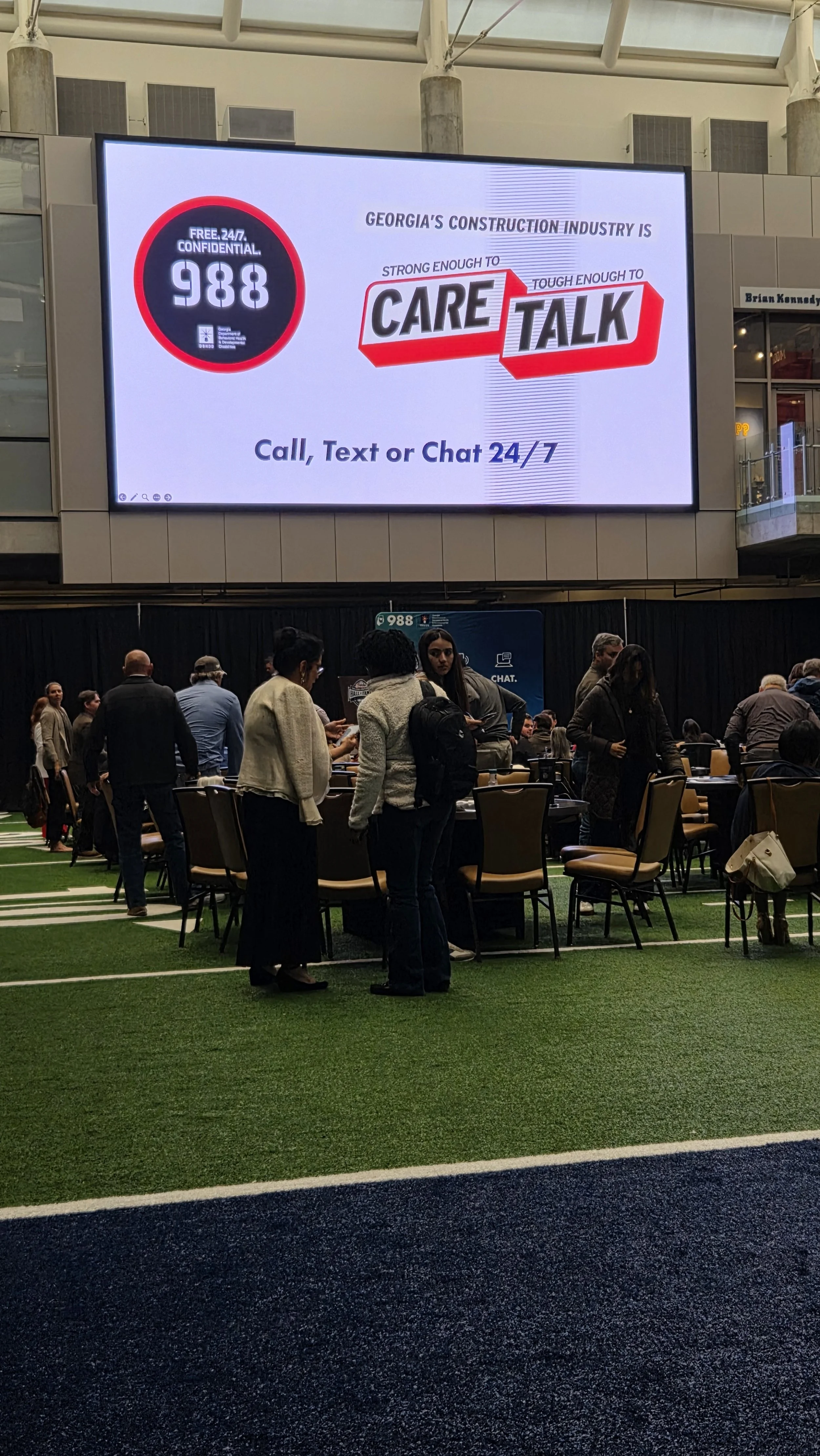
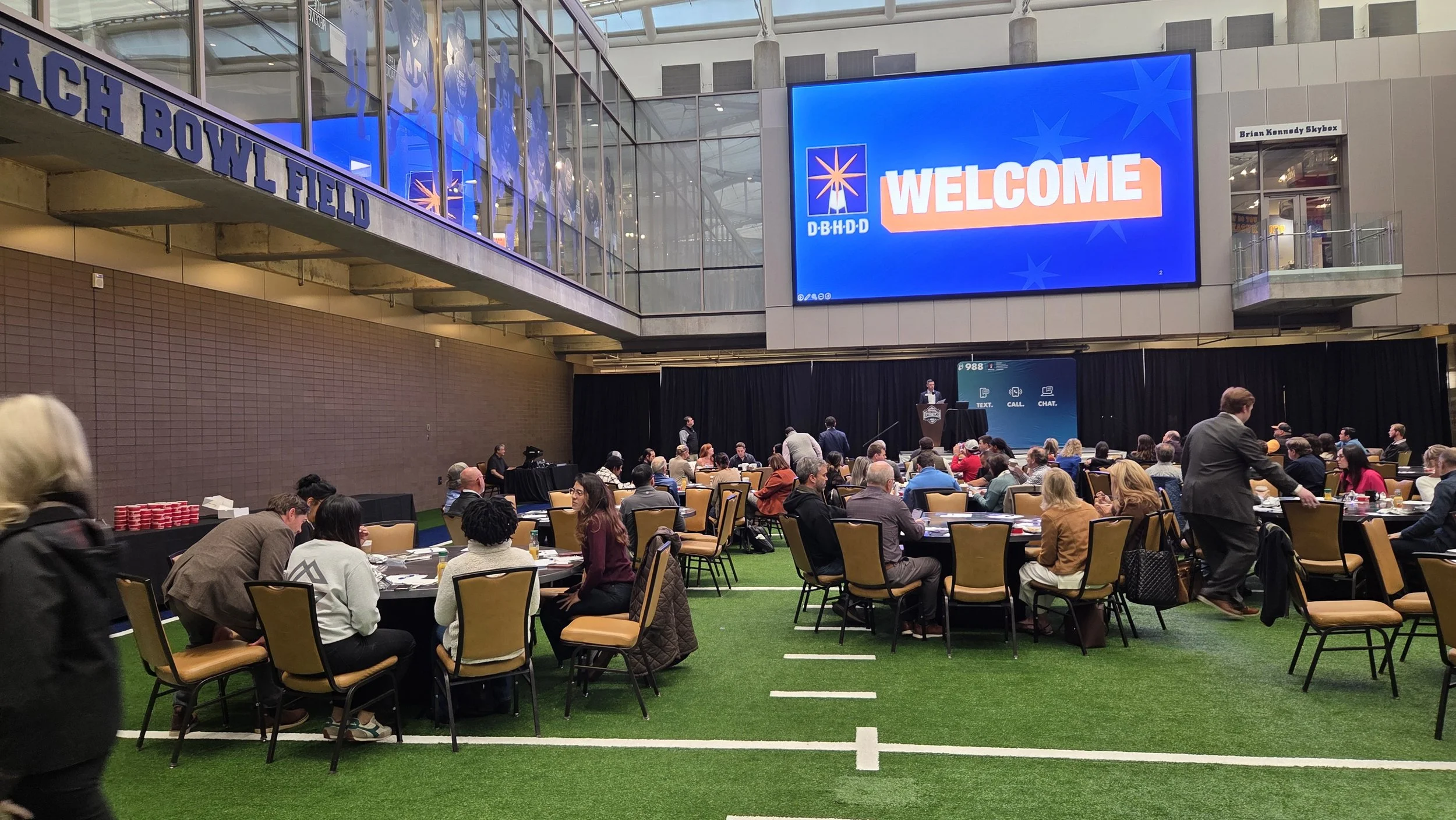
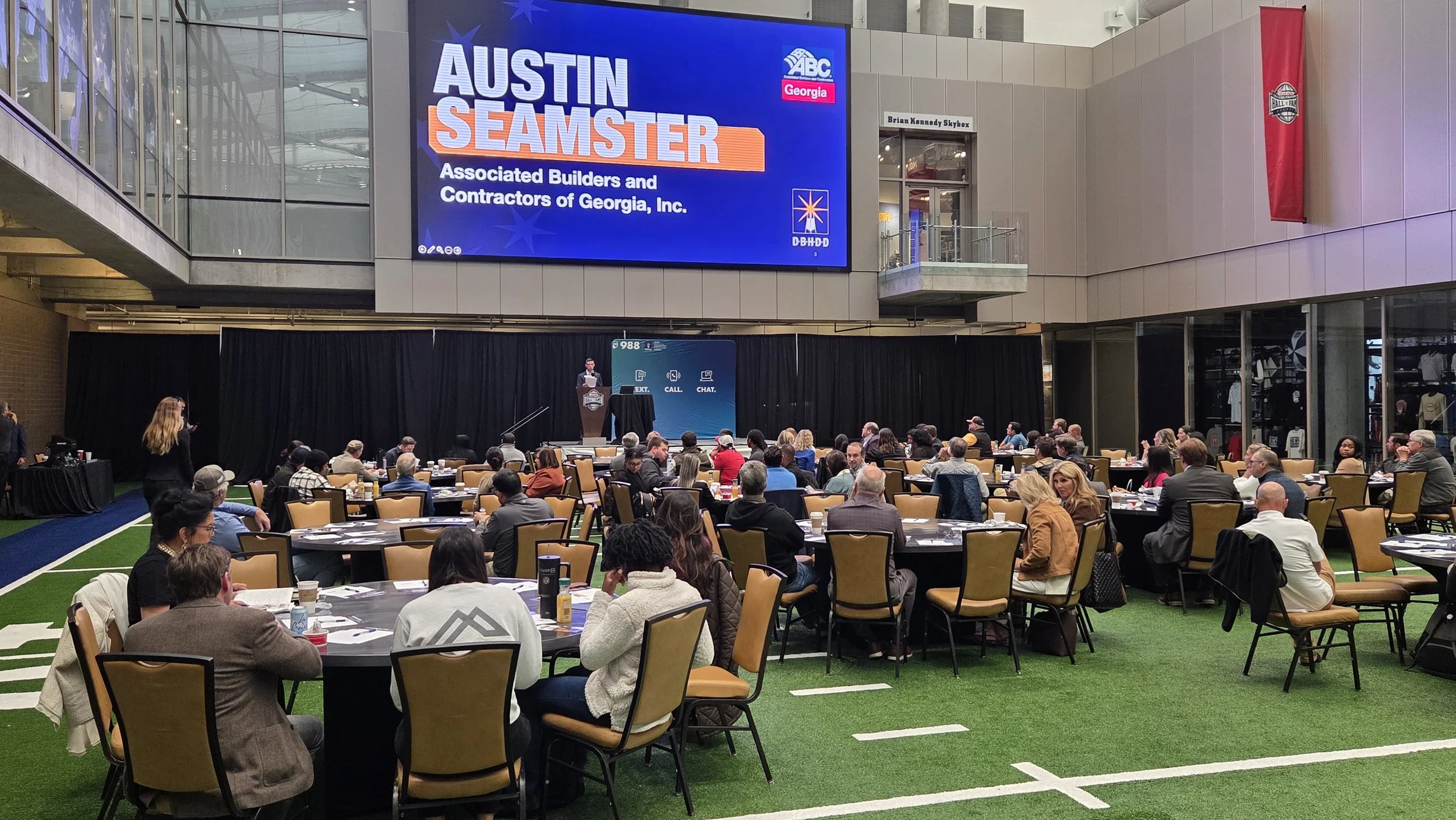
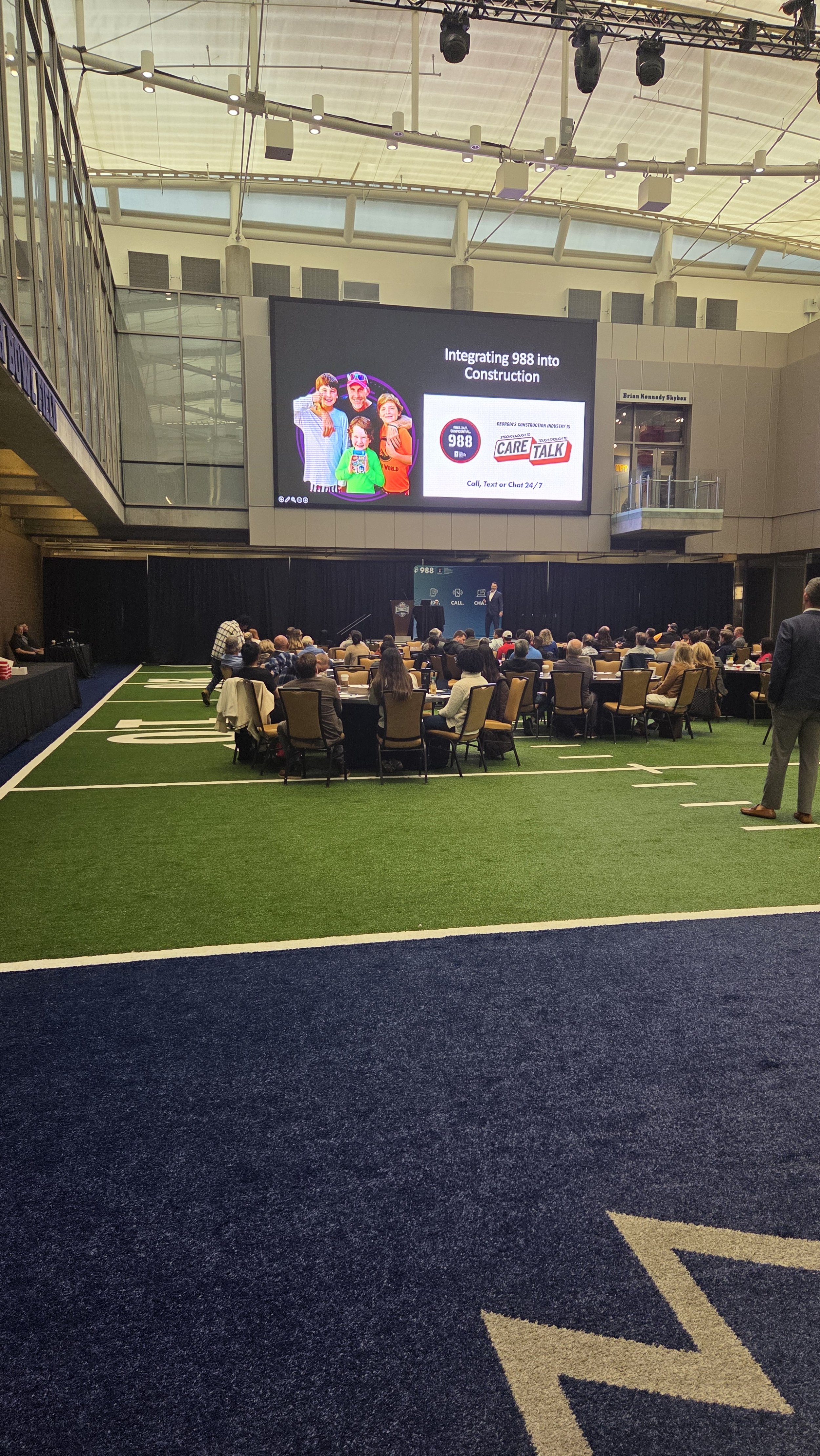
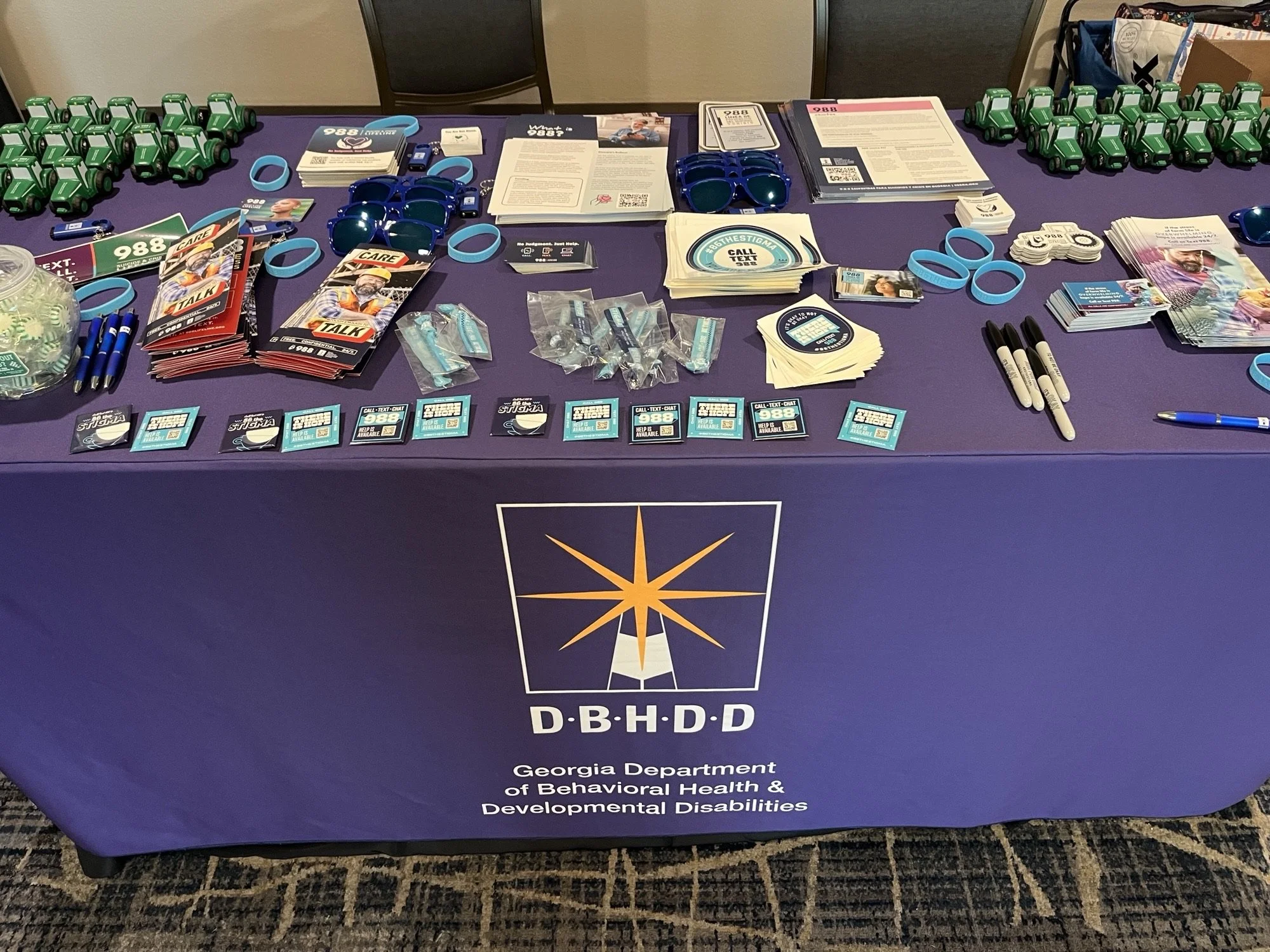
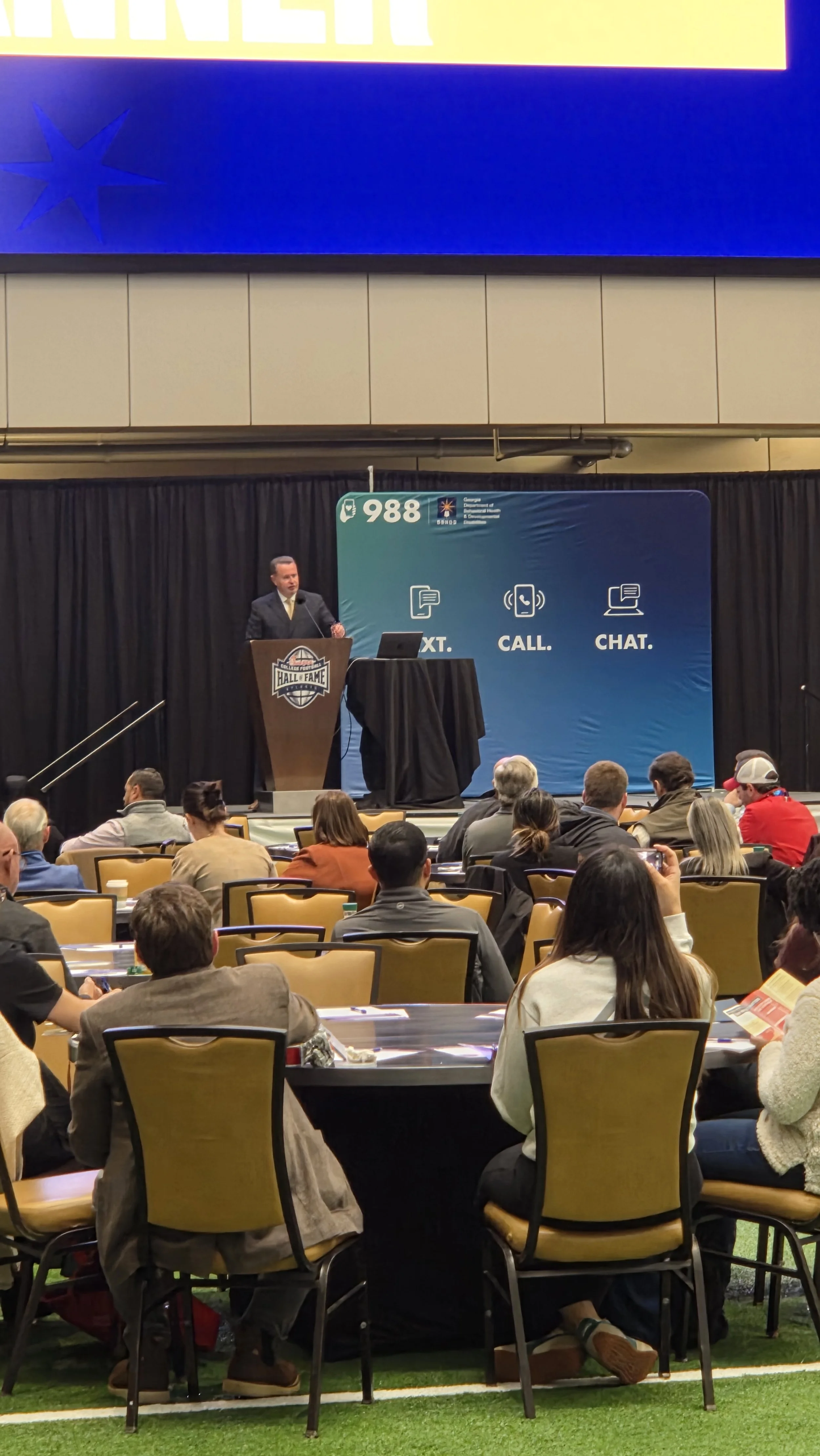
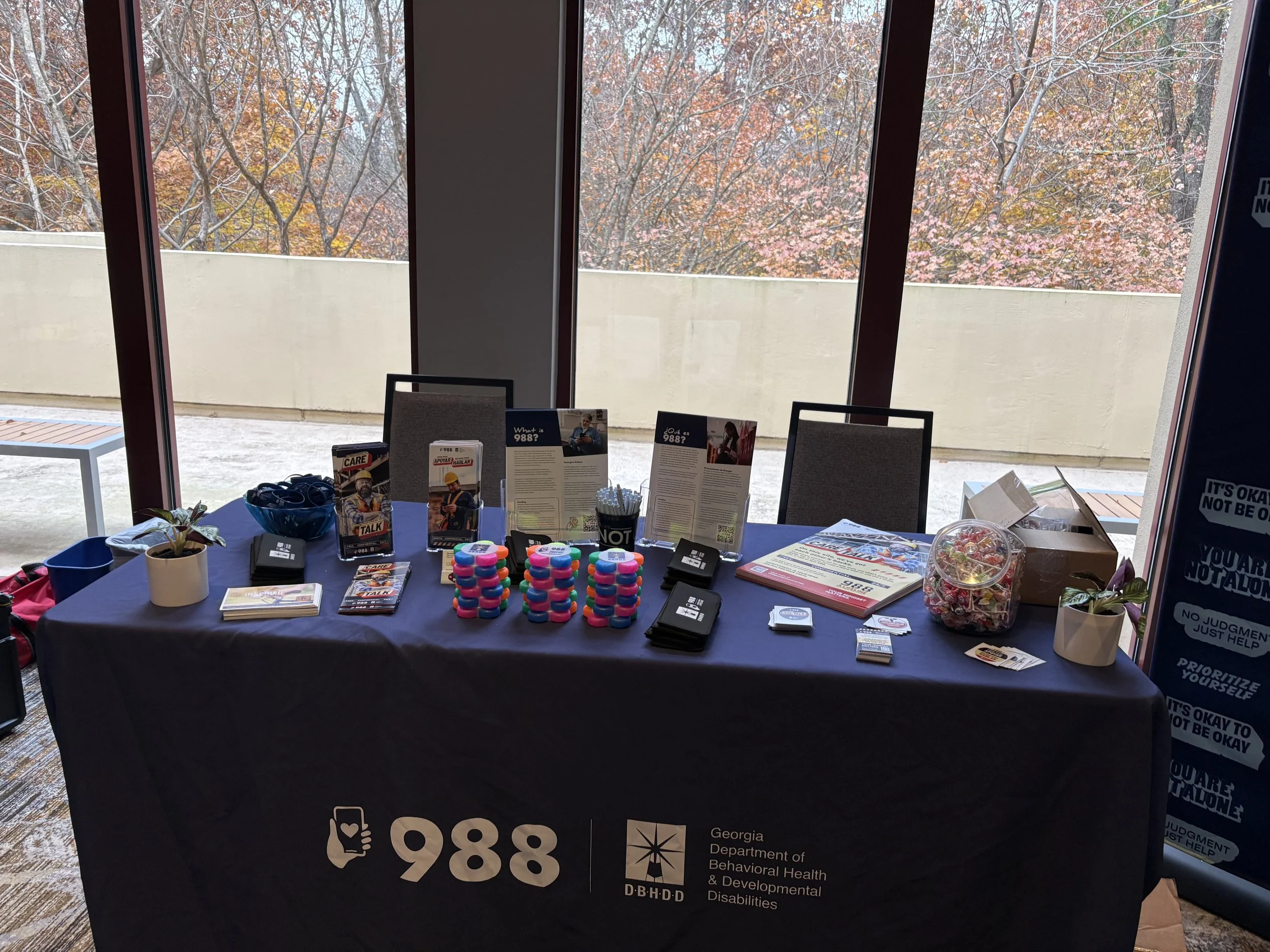
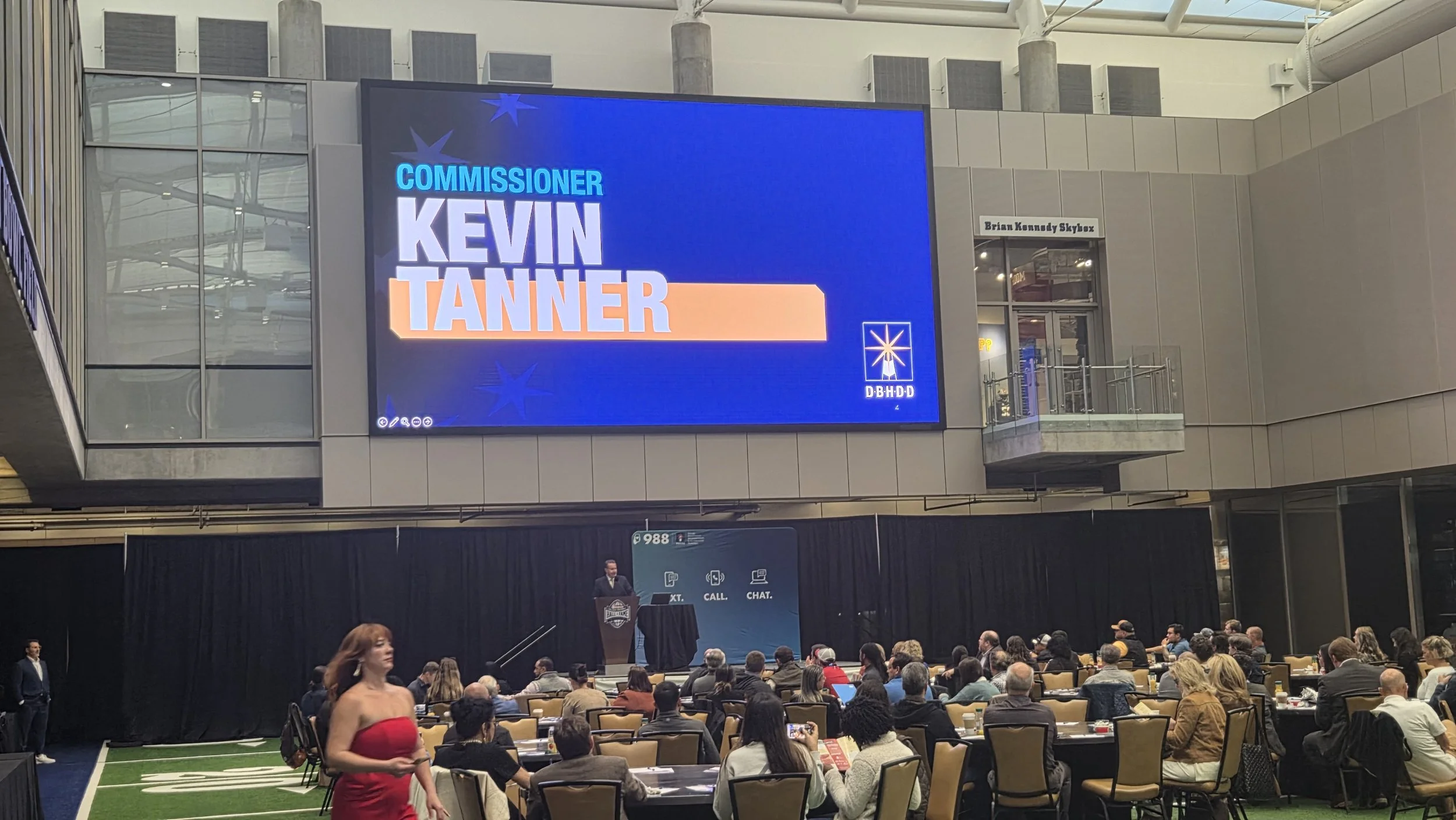
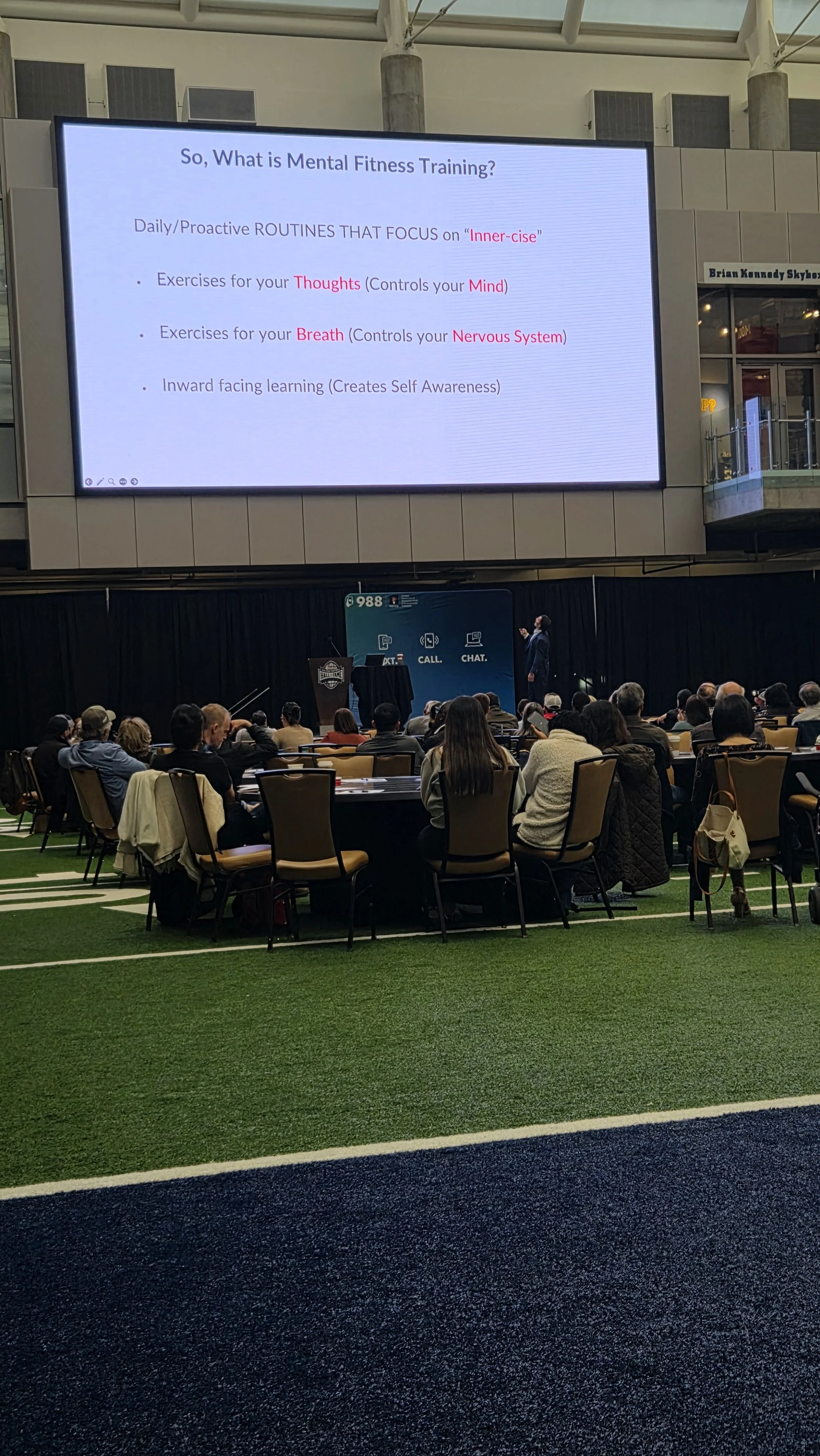
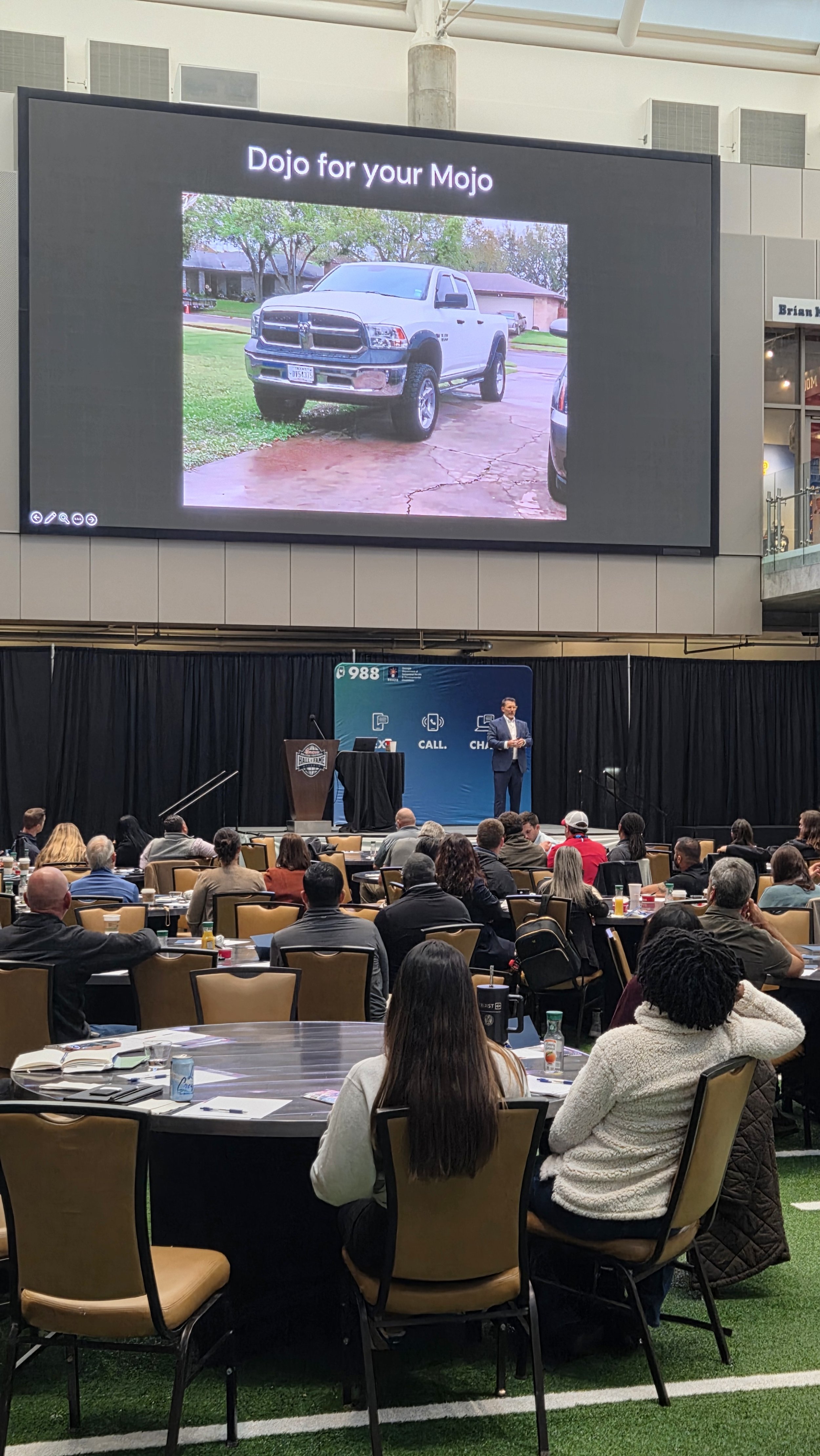
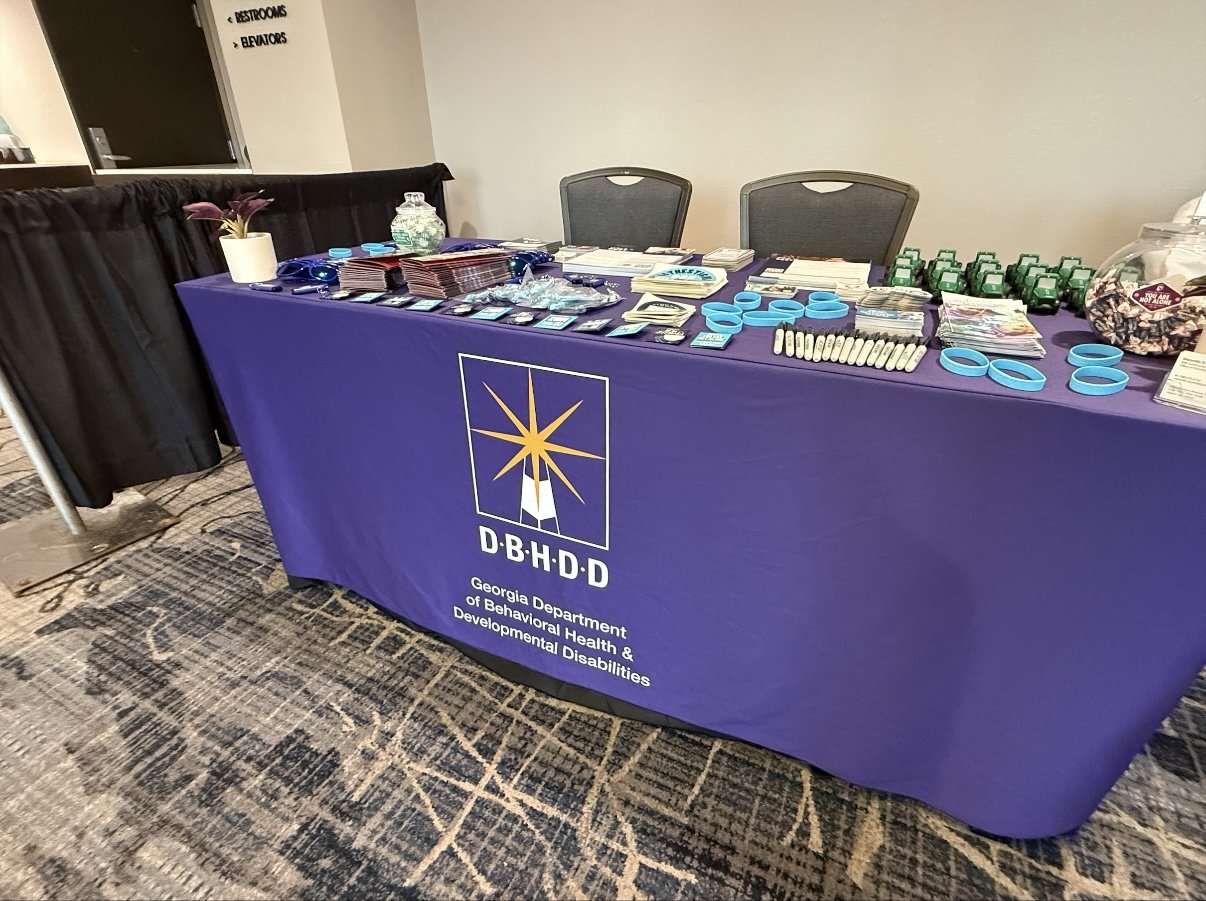
In partnership with construction leaders across Georgia, DBHDD and the Georgia 988 Construction Industry Advisory Panel have participated in industry events statewide to elevate awareness of mental health and suicide prevention. Through targeted training workshops and conference engagement, the initiative demonstrates how the 988 Suicide & Crisis Lifeline can be a reliable resource for workers, supervisors, and executives alike—reinforcing the idea that a safer industry begins with mental well-being.
Resources And Downloads
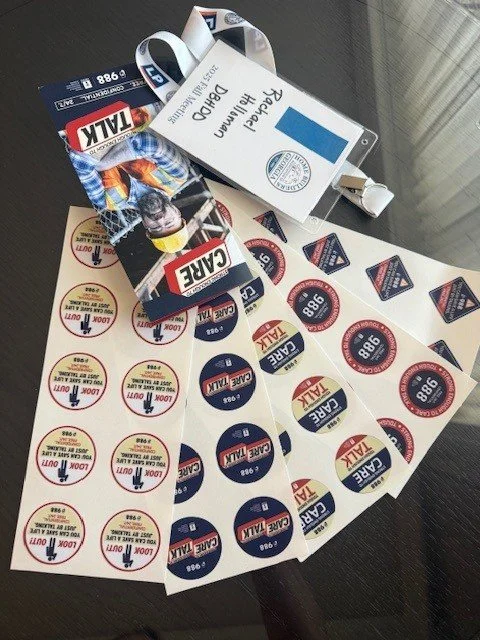
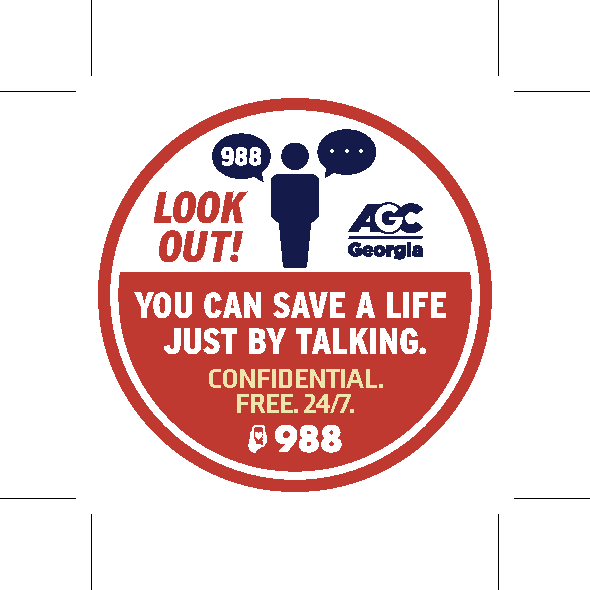
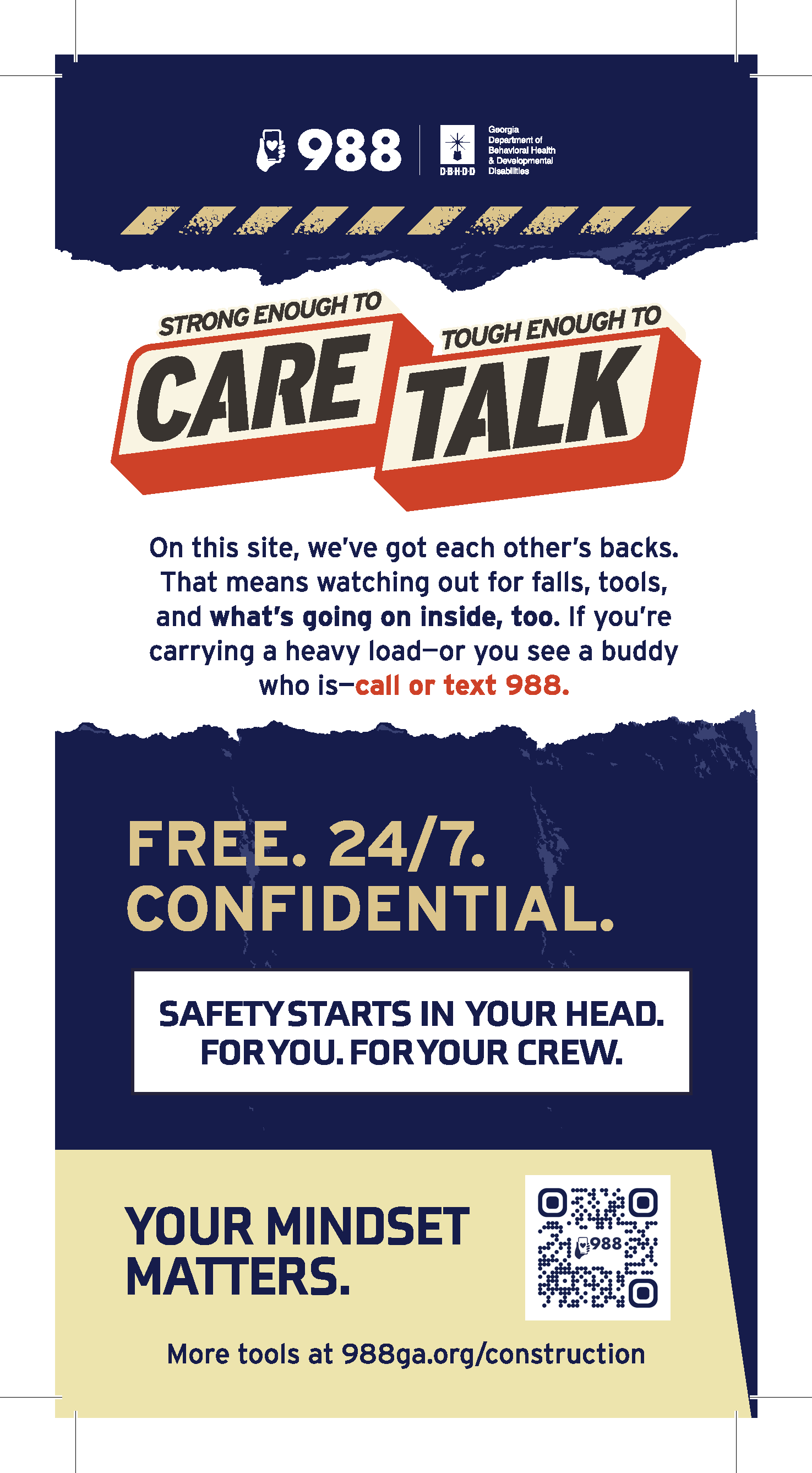
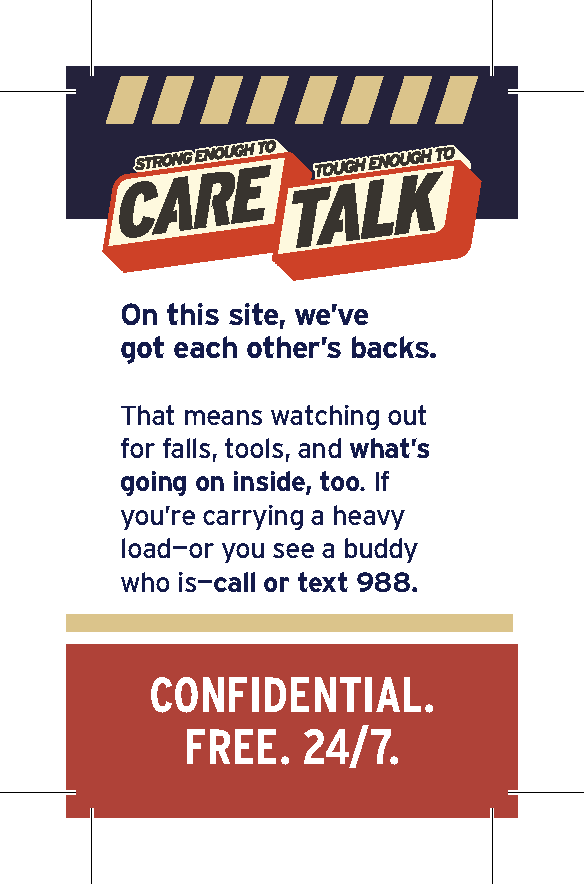
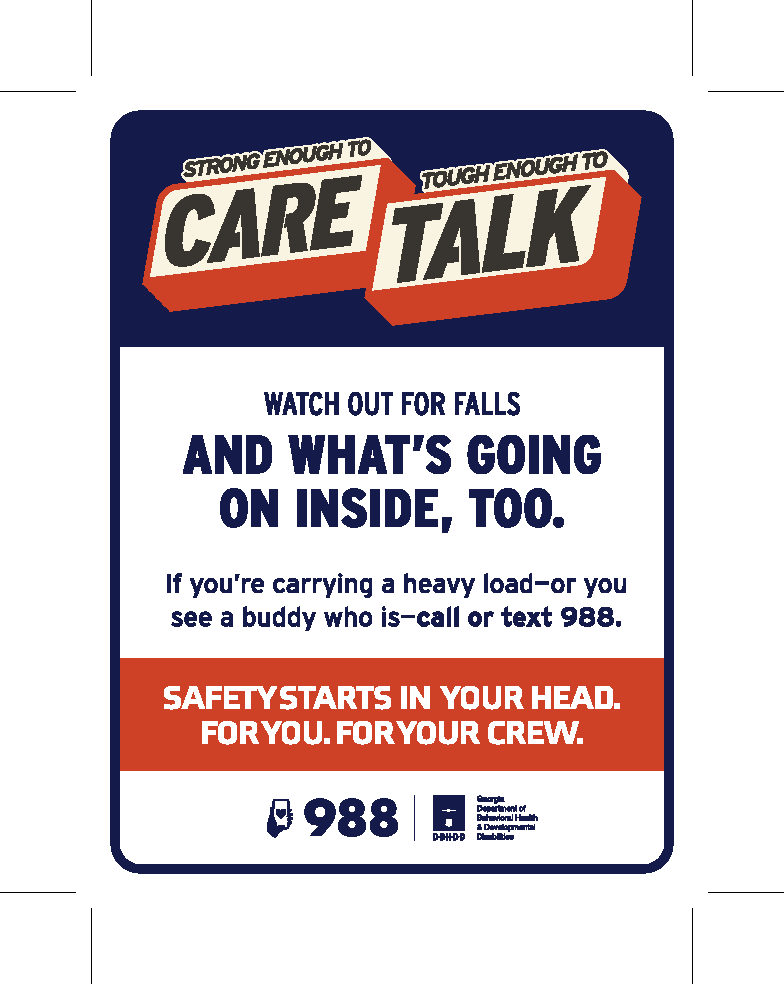
Feel free to download and print any of the materials below. You can help save a life today by raising awareness of 988 the Suicide and Crisis Lifeline. Posters, brochures, and stickers are available.







Explore Free Training Resources
The Georgia Department of Behavioral Health and Developmental Disabilities (DBHDD), in partnership with Georgia’s construction industry leaders and 988 partners, has invested in a suite of free, industry-specific trainings to support mental fitness and prevention across the construction workforce. These trainings are designed to meet workers and leaders where they are—on job sites, in offices, and across career stages—providing practical tools to manage stress, reduce stigma, and strengthen peer support. Available in multiple formats, including live virtual sessions, interactive on-demand courses, and short video trainings, all resources are offered at no cost. Together, these efforts help build safer, healthier job sites and connect workers to the 988 Lifeline when additional support is needed.
